
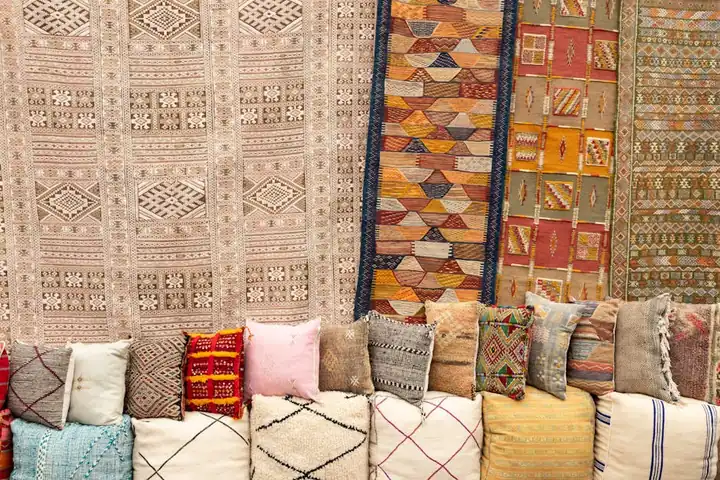
Choosing the right rug padding is essential for enhancing the comfort and longevity of your rug. The right padding not only protects your flooring but also adds a layer of cushioning underfoot. In this guide, we will explore various aspects of rug padding selection to help you make an informed decision for your home in Gaithersburg.
Understanding Rug Padding
Rug padding is a layer placed beneath your rug to provide support and protection. It helps to prevent slips, reduce wear, and enhance the overall feel of your rug. Understanding the different types of padding available will help you select the best option for your needs.
Types of Rug Padding
There are several types of rug padding available, each with its unique benefits:
- Foam Padding: Offers excellent cushioning and is ideal for low-pile rugs.
- Rubber Padding: Provides a non-slip surface and is great for high-traffic areas.
- Felt Padding: Adds warmth and sound absorption, perfect for hardwood floors.
- Combination Padding: A mix of felt and rubber, offering the benefits of both materials.
Choosing the Right Thickness
The thickness of your rug padding is crucial. A thicker pad provides more cushioning but can make your rug feel unstable. Conversely, a thinner pad may not provide enough support. For most residential settings, a thickness of 1/4 to 1/2 inch is recommended. This range strikes a balance between comfort and stability, especially for those living in areas like Kentlands where homes often feature hardwood floors.
Best Rug Padding Options
When selecting the best rug padding options, consider the following factors:
- Floor Type: Choose padding that complements your flooring material. For instance, rubber padding is ideal for tile or laminate floors.
- Rug Type: Different rugs require different padding. For example, Oriental rugs benefit from felt padding for added protection.
- Traffic Level: High-traffic areas need durable padding that can withstand wear and tear.
Importance of Rug Padding
Investing in the right rug padding is not just about comfort; it's also about preserving your flooring and extending the life of your rug. Padding helps absorb impact, reducing the risk of damage to both your rug and the underlying floor. Additionally, it can prevent slipping, making your home safer for everyone.
Common Mistakes to Avoid
When selecting rug padding, homeowners often make several common mistakes:
- Choosing the wrong thickness can lead to instability.
- Not considering the type of flooring can result in damage.
- Ignoring the rug's material may lead to premature wear.
When to Call a Professional
If you're unsure about which rug padding to choose or how to install it, consider reaching out to the Gaithersburg Area Rug Specialists. Our experts can provide tailored advice based on your specific needs and help ensure your rug is properly supported.
Frequently Asked Questions
What is the best type of rug padding?
The best type of rug padding depends on your flooring and rug type. Rubber padding is great for non-slip needs, while felt is ideal for warmth and cushioning.
How do I choose rug padding for my home?
Consider your flooring type, rug material, and the level of foot traffic in your home. A combination of these factors will guide you to the right choice.
Does rug padding really make a difference?
Yes, rug padding significantly impacts comfort, reduces wear, and protects your flooring from damage. It's a worthwhile investment for any rug owner.
For more information on how to maintain your rugs, consider our rug stain removal in Gaithersburg services.